

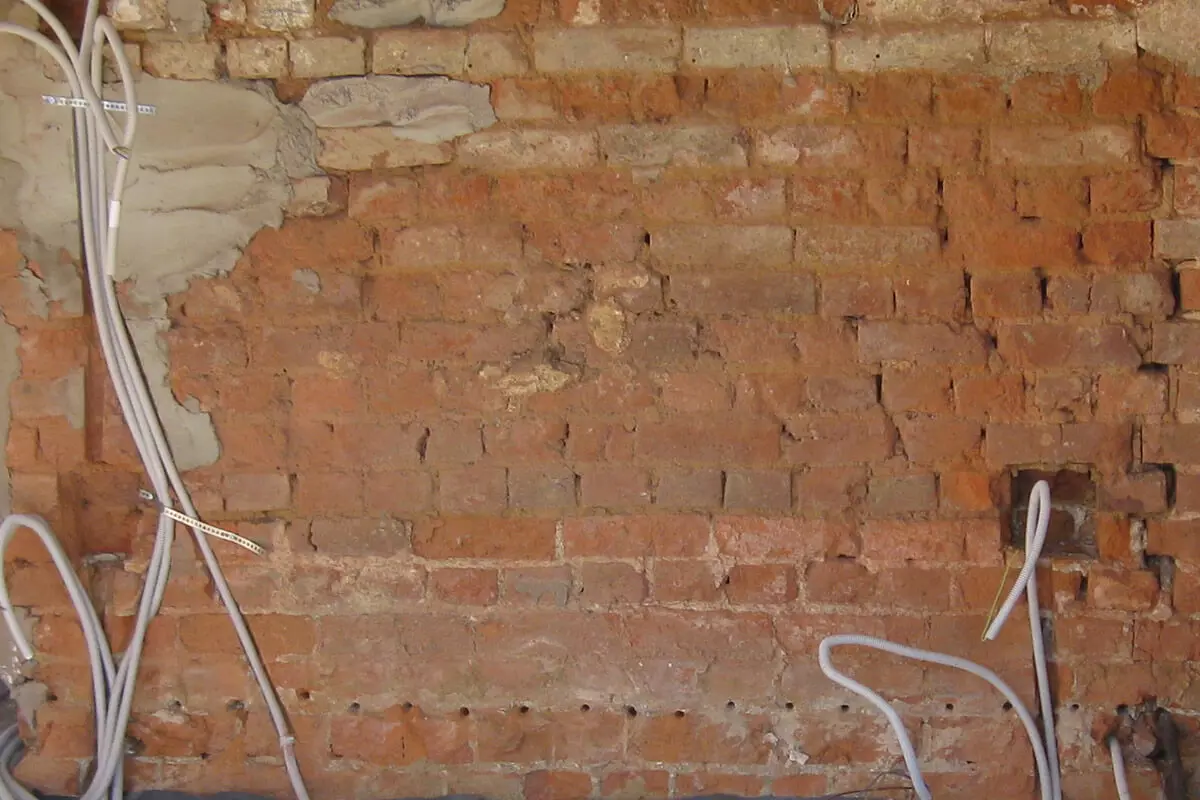
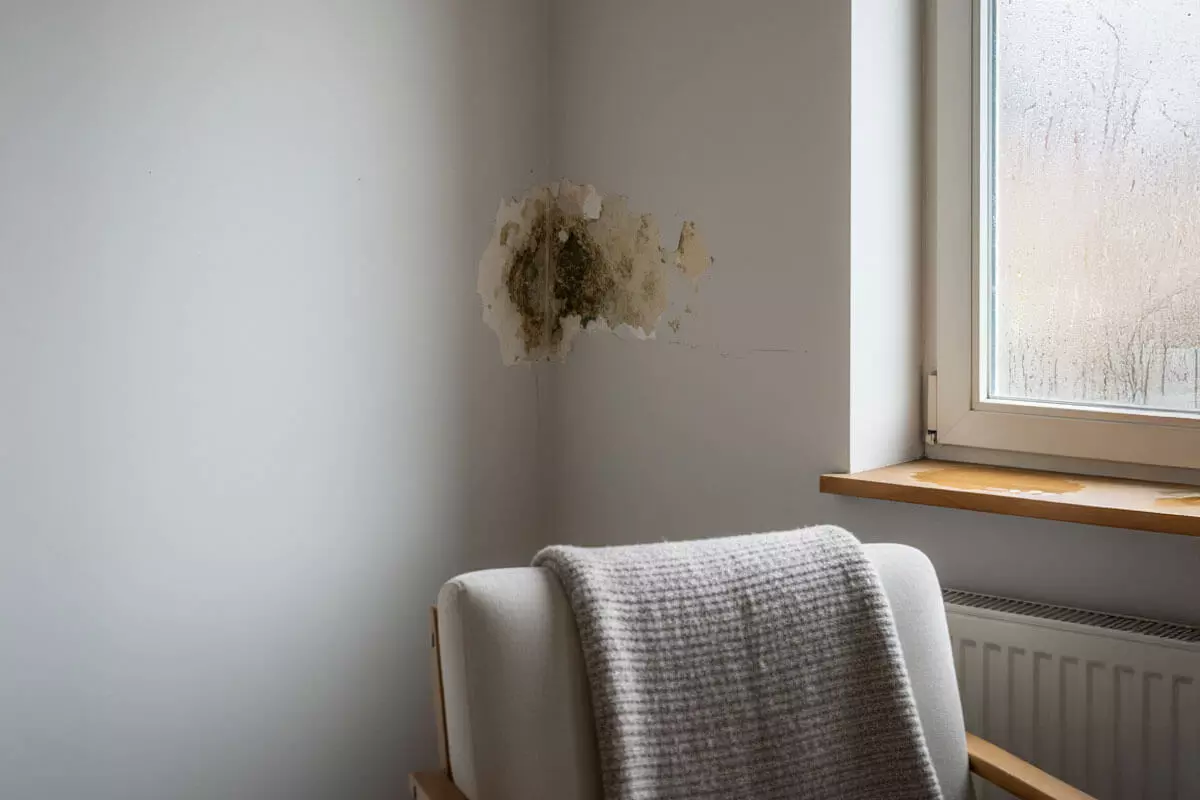
 | Do you recognise any of these problems in your basement?Check the list below. If you notice one or more of these signs, your basement is not waterproof, and action is necessary. Checklist: symptoms of a damp basement
Once you experience one of these symptoms, it is likely that your basement is affected by ground moisture, water pressure, infiltration through cracks, or capillary moisture problems. |
Causes of a damp basement
A basement does not become damp without reason. The cause determines the correct solution. In Belgium, the main factors are:
1. Groundwater pressure (wall and floor pressure)
When the groundwater level rises, typically during rainy periods, heavy pressure is exerted on basement walls and floors. Water always seeks the path of least resistance, causing it to:
- penetrate through pores in concrete
- break through old or poor coatings
- seep in through weak floor-wall connections
2. Cracks in walls or floors
Older basements or buildings with subsidence often show:
- hairline cracks
- structural cracks
- washout of mortar joints
Even small cracks quickly become entry points for water.
3. Defective or outdated basement waterproofing
Many Belgian homes have old cement or coatings that:
- are not waterproof
- come loose
- lack pressure-resistant layers
4. Rain infiltration or poorly positioned dormers
Through windows, ventilation wells, or leaking dormers, rainwater can enter the basement directly.
5. Capillary rise
Moisture that rises from the floor upwards.
What are the consequences for your health and home?A damp basement is more than an aesthetic problem. The impact is significant: Health
Home and value
|  |
How do we identify the problem in your basement? (professional diagnosis)Our approach starts with a technical inspection. During our visit we check: What do we analyse?
Equipment used
What do you receive afterwards?
|
Making your basement waterproof: all methods explained
Basement waterproofing only works when the correct technique is applied. That’s why we offer multiple solutions depending on the problem.
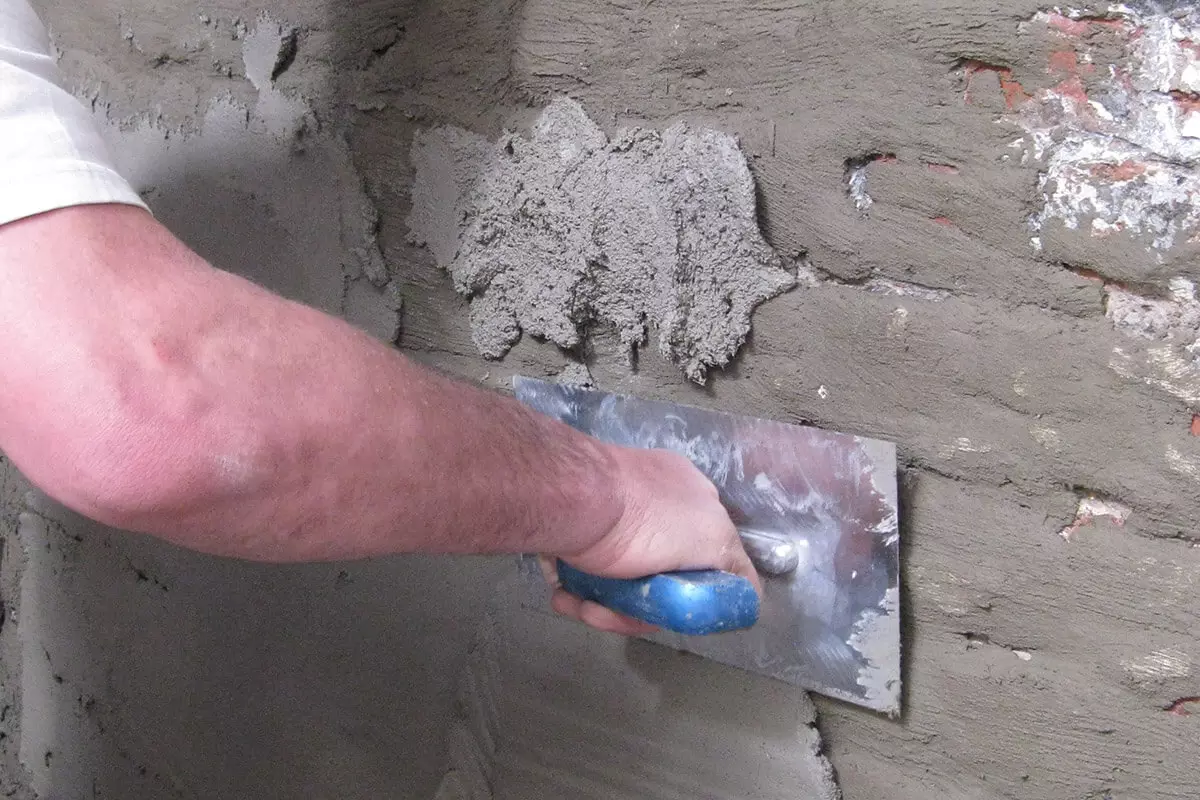
1. Basement cement coating (pressure-resistant cementing)
This is the most commonly used method for basements with water pressure.
How does it work?
For cement coating, we apply several pressure-resistant layers:
- Prepare the substrate
- Gravel layer
- Adhesion layers
- Cementing with high pressure resistance
- Repair mortar as a salt buffer
Advantages
- Highly durable
- Suitable for heavy water pressure
- Completely new waterproof system
Disadvantage
- Not a solution for structural external leaks (drainage required)
2. Basement drainage (internal or external)
When to use?
- Structural leaks
- Water infiltration through external walls
- Problems with rain or groundwater
Systems
- Wall drainage
- Floor drainage
- Perimeter drainage
- Pumping systems
Advantages
- Actively removes water
- Recommended for severe water intrusion
3. Injection of cracks & joints
For local leaks.
How does it work?
We inject the cracks with:
- Epoxy resin
- PU foam
- Micro-fine cement
4. Waterproof coatings
Suitable for:
- Minor moisture problems
- Protection against damp
- Temporary solutions
(Not suitable for pressure water.)
 | How much does basement waterproofing cost?The price depends on:
What is included?
|
How does our basement waterproofing process work step by step?
Here is the full process our specialists follow, depending on the problem.
1. Preparation
- Removal of old plaster layers
- Chiselling out joints
- Repairing weak substrates
- Cleaning & dust removal
2. Gravel layer + adhesion layers
- Ensures optimal adhesion
- Prevents layers from detaching
3. Cementing & waterproof finishing
- Application of multiple thin layers
- Seamless floor-wall connection
- Counter-pressure layer on the floor
4. Repair mortar
This is a salt buffer that:
- Retains salts
- Prevents flaking
- Provides extra protection
5. Finishing & handover
- Neat completion
- Work area shielded to minimise disruption
- Room left dust-free
Protector operates throughout Belgium
|
![Map of Belgium with the cities where Protector has offices [NOTE: place names on the map are in French, even on NL pages]](/images/protector-kantoren-kaart-fr.png "Map of Belgium with the cities where Protector has offices [NOTE: place names on the map are in French, even on NL pages]")
Why choose Protector?
|
Request your free inspection & quotationA damp basement will never improve on its own. |
Practical questions about basement waterproofing
How can I be sure my basement needs waterproofing?
A basement that is not waterproof almost always shows recognizable signs. Think of damp walls, peeling paint, musty smells, mould spots, visible condensation, sagging coatings, salt efflorescence, or even small puddles of water after rain. These symptoms may seem minor at first glance but indicate an underlying problem that can quickly worsen. Water always finds the weakest point, entering through cracks, pores, or old waterproofing. This increases damage and can affect the structure of your home. A professional diagnosis clarifies the cause, severity, and proper solution. Especially with groundwater pressure or structural cracks, timely intervention is crucial.
What is the difference between cement coating and drainage?
Cement coating is a technique where your basement is finished internally with multiple pressure-resistant waterproof cement layers. It is ideal for wall or floor pressure situations and stable basement structures. Drainage works differently: it actively diverts incoming water through channels, membranes, or pumping systems. Drainage is suitable for structural leaks, high groundwater pressure, or areas where water is constantly present. In some basements, a combination of both methods is the most sustainable option. During our inspection, we determine which approach provides the best technical result.
How long does it take to waterproof my basement?
The duration of basement waterproofing depends on the size of your basement, the chosen method, and any structural problems. Standard cement coating typically takes 3 to 7 days, including drying and curing times of the cement layers. Projects with drainage, structural repairs, or extensive injections may take longer. During the diagnosis, you receive a clear schedule of all steps, so you know exactly what happens when. Our teams work quickly and efficiently, shielding the site to minimise disruption and keeping your home tidy.
How much does it cost to waterproof a basement?
The cost of basement waterproofing varies greatly from one home to another. Each project is different: the chosen method (cement coating, drainage, injections), the size of the basement, the condition of the masonry, the severity of water pressure, and any structural damage determine the total cost. Therefore, we deliberately do not provide standard prices; they are rarely representative. During our diagnosis, we analyse all factors affecting your situation. Afterwards, you receive a clear and transparent tailored quotation, so you know exactly what steps are needed and the total investment, with no surprises.
Can I refinish my basement after the work?
Yes, after basement waterproofing, you can safely and neatly refinish your basement, for example as storage, technical room, gym, office, or hobby room. You must consider the drying time of cement layers and any repair mortar, so the walls fully cure. Finishing materials must be suitable for low-ventilation spaces and preferably vapour-permeable. During handover, you receive clear guidelines on which materials to use and when it is safe to start finishing. This ensures a durable result and prevents new moisture problems.
Is basement waterproofing truly durable long-term?
Properly executed basement waterproofing lasts many years. Protector uses pressure-resistant cement layers, quality mortars, and durable drainage or injection systems. The lifespan depends on the original water pressure and structural condition of the basement, but correctly executed work provides a long-lasting, reliable result. We offer up to 30 years warranty on our work, depending on the chosen system. Additionally, we provide advice on ventilation and maintenance to maximise durability. Your basement remains dry and healthy for years.
Does every method work in all regions of Belgium and Luxembourg?
Not every method is equally effective in all regions. Belgium and Luxembourg have very diverse soil types: polder areas in Antwerp with high water pressure, sandy soils in Limburg that accelerate infiltration, old basements in Brussels with structural cracks, clay soils in Flemish Brabant, high-rainfall zones in West Flanders, and sloping terrains in Namur and Luxembourg, where water accumulates at the foundation. Because each region has unique challenges, our specialists always analyse local conditions. We adapt the solution based on soil type, water pressure, and building style. This ensures a method that truly works for your region.