

 | What exactly are moisture problems?Moisture problems cover any situation where unwanted moisture accumulates in walls, floors, ceilings, or the air inside a building. This often includes:
Important: Not all moisture problems have the same cause. That’s why Protector always starts with a professional assessment, typically lasting 60–90 minutes, using calibrated moisture meters, infrared measurements, and structural inspection. |
How to recognise moisture problems at home? (Checklist)
Below are the most common signs. The more boxes you can tick, the higher the chance of a serious moisture problem.
Moisture problems checklist
- Cold, damp spots on walls
- Mold around window frames or in corners
- Musty smell in basement or ground floor
- Peeling plaster or flaking paint
- Damp skirting boards or upstands
- Condensation on windows (even outside winter)
- Dark or wet moisture rings
- Salt efflorescence (white crystals)
- Wood decay or early-stage fungus
The faster these symptoms are addressed, the lower the risk of expensive structural damage.
The causes of moisture problems
Protector identifies four main causes:
Rising damp (capillary moisture)Groundwater rises through the foundation and walls via capillary action. Mostly occurs in older homes or homes without a damp-proof course. Identification
Solution |
Penetrating dampRainwater penetrating through exterior walls, often due to porous façades, damaged joints, or poor drainage. Identification
Solution |
Condensation and ventilation issuesOccurs when warm, moist air cannot escape and condenses on cold surfaces. Identification
Solution |
Basement moisture / water ingressOne of the most common moisture problems in Belgium due to high groundwater levels. Identification
Solution |
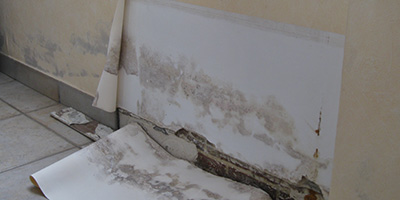
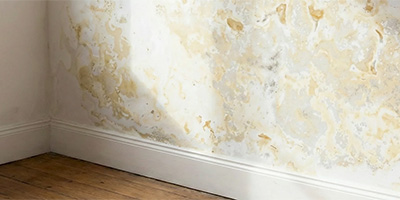
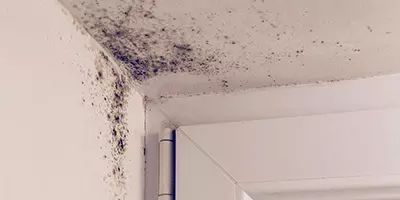
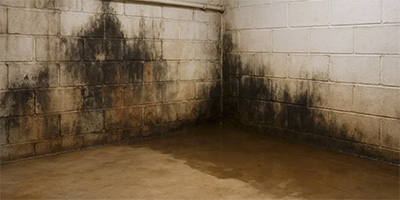
The consequences of moisture problems (health & building)Health risksMoisture and mold cause:
Children, the elderly, and pets are especially vulnerable. Structural damage
Energy costsDamp walls conduct cold more strongly → your home loses heat → higher bills. |
Professional diagnosis by ProtectorA correct diagnosis is crucial: many owners think they have “rising damp”, whereas in reality it may be condensation or thermal bridging. Protector’s diagnosis includes:
The diagnosis takes on average 60–90 minutes and is non-binding. Our experts visit your area within 48 hours. | 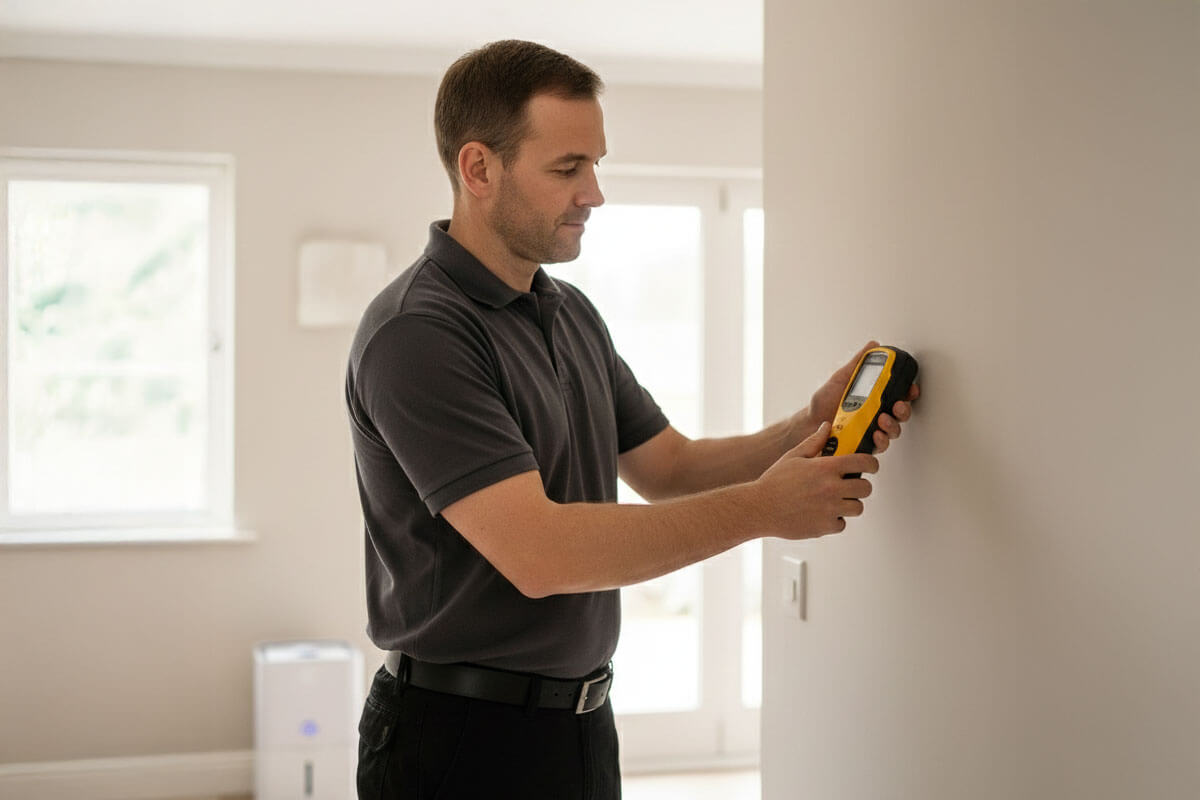 |
Solutions per type of moisture problem
Treating rising damp (injection method)
Waterproofing basements
Fully restores basement structure. | Improving condensation and ventilation
Resolving penetrating damp
|
How our approach works (Step-by-step)
1. Non-binding home diagnosisOur expert performs an analysis of 60–90 minutes. | 2. Receive a transparent reportYou receive a clear overview of the cause, damage, and possible solutions. | 3. Definitive treatmentUsing certified techniques and materials. | 4. Aftercare & follow-upWe remain available for questions, inspections, and repairs. |
What does it cost to resolve moisture problems?The price varies depending on:
Protector always provides a non-binding quote. | 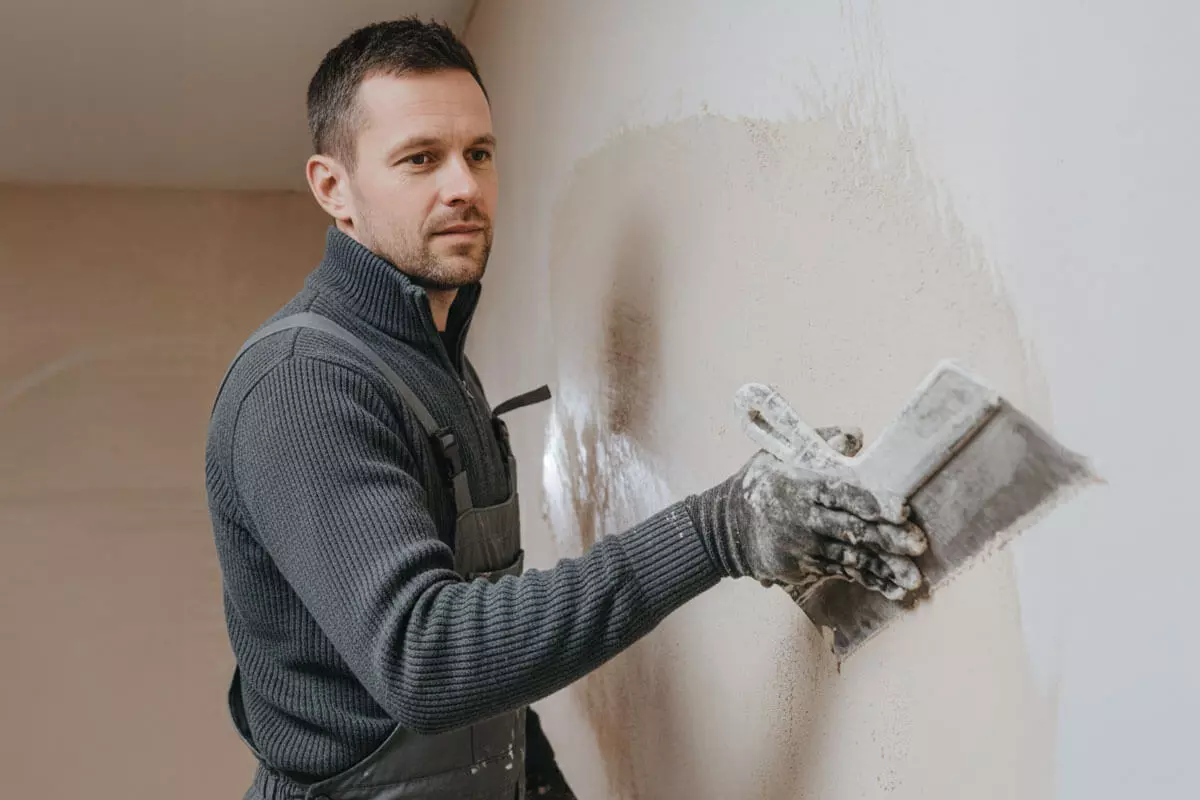 |
Why choose Protector?
|
Protector operates throughout Belgium
|

Ready for a definitive solution?Are you struggling with moisture problems? Acting quickly is crucial to prevent further damage. |
Frequently asked questions about moisture problems
What are the first signs of moisture problems at home?
The first signs often appear unnoticed: slight discoloration on walls, small mold spots in corners or around window frames, persistent condensation, or a musty smell on the ground floor. Cold, wet areas at the base of walls are also typical. When plaster starts peeling or white salt crystals appear, the problem is usually already advanced. The sooner you act, the lower the risk of structural damage such as compromised walls, wooden floors, or mold growth. A professional diagnosis from Protector immediately clarifies the cause and the best solution.
How do I know if I have rising damp, condensation, or penetrating damp?
Rising damp is usually recognised by damp spots and peeling plaster up to about one metre, often with white salt crystals. Condensation occurs mainly in poorly ventilated spaces such as bathrooms, kitchens, and bedrooms, often accompanied by mold in corners and black spots around windows. Penetrating damp mostly affects rain-exposed façades and causes moisture higher on walls or floors. Since multiple types of moisture can coexist, a professional diagnosis is necessary. Protector uses moisture meters, infrared analysis, and ventilation/façade inspections to precisely determine the cause.
How does Protector resolve moisture problems permanently?
Protector always begins with a thorough diagnosis, followed by a customised solution. Rising damp is usually treated with an injection method forming a moisture barrier inside the wall. Penetrating damp requires a combination of façade repair and a water-repellent coating. Condensation issues are addressed through improved ventilation or mechanical extraction. For basement moisture, tanking or drainage systems are used. All work is performed with certified materials and experienced professionals, minimising recurrence and providing a durable, definitive solution.
What does it cost to resolve moisture problems?
The cost depends entirely on the type of moisture problem, severity of damage, and chosen treatment method. Injections against rising damp are usually priced per linear metre. Basement treatments are priced per m² depending on the method used (cementing, tanking, or drainage). Since every building and situation is different, Protector always provides a non-binding tailored quote, so you know exactly which interventions are needed and the associated investment.
How long does treatment take and when are results visible?
Treatment duration varies by moisture problem. Injection works for rising damp usually take 1–3 hours, but walls require 6–12 months to fully dry depending on thickness. Basement works vary from one day to several days for complex systems. Ventilation improvements and façade treatments are generally completed within a day. Initial results are often noticeable quickly: air quality improves immediately after ventilation and mold disappears after cleaning. Full wall drying and plaster repair takes longer, with clear guidance provided by Protector.
Can moisture problems disappear on their own?
Moisture problems never disappear on their own. Condensation may temporarily decrease with extra ventilation but returns during cold or humid weather. Rising damp never stops spontaneously, as groundwater continuously rises through foundations. Penetrating damp worsens over time as façades absorb more water. Basement moisture usually increases during seasons of high groundwater. Waiting leads to mold, higher energy costs, and structural damage. A professional diagnosis and treatment is therefore the only sustainable solution.
Does a DIY solution work for moisture problems?
DIY products like mold removers, coatings, or paint masks may seem effective short-term but do not address the root cause. They remove superficial mold but do not stop rising damp, prevent façade water ingress, or resolve basement moisture. Some coatings can worsen the situation by sealing walls and trapping moisture. Professional techniques and a correct diagnosis are essential. Protector uses only durable systems and certified materials for a lasting solution.